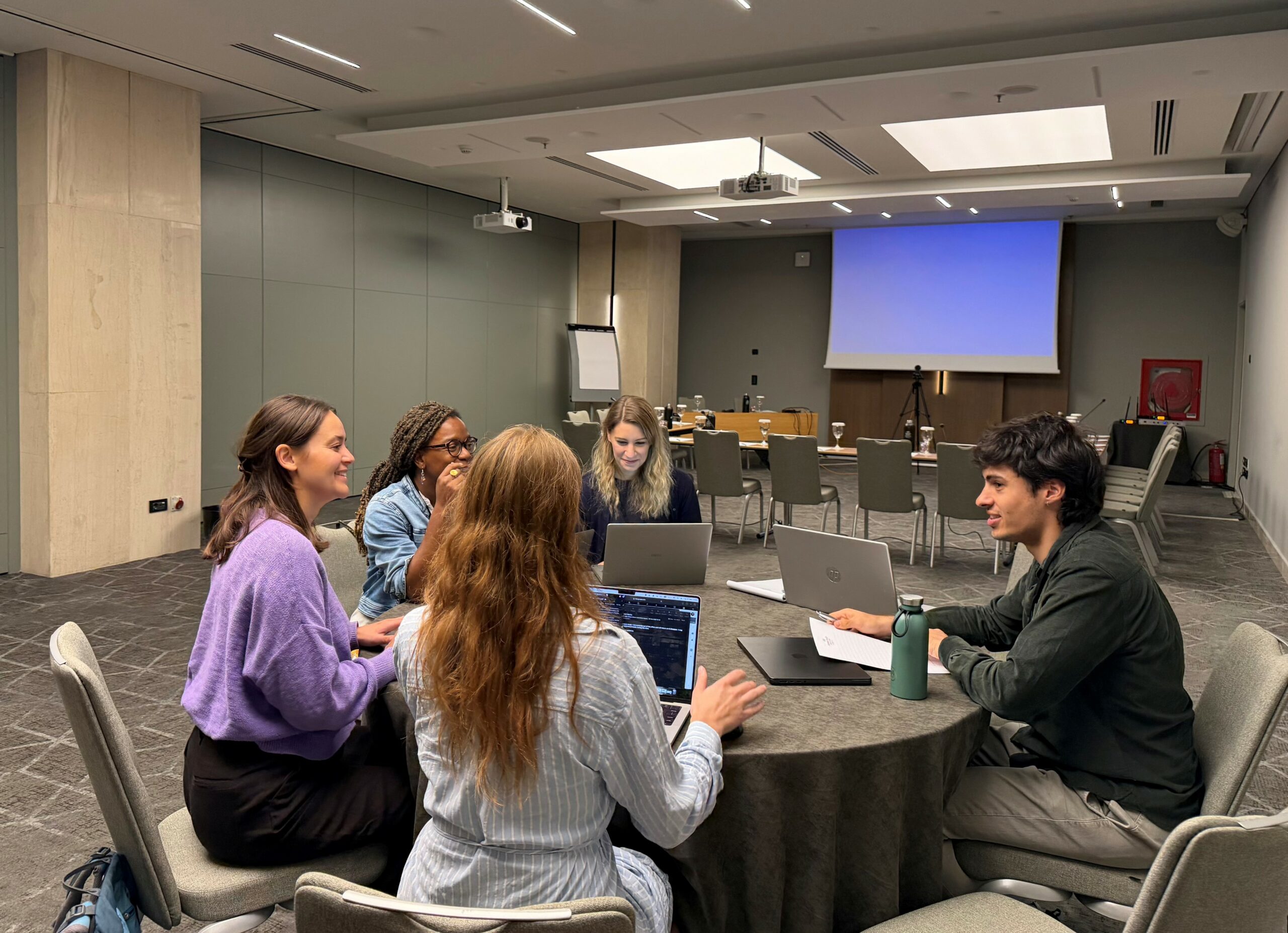

SPARCCLE Consortium Meets in Athens to Set the Course for the Final Phase
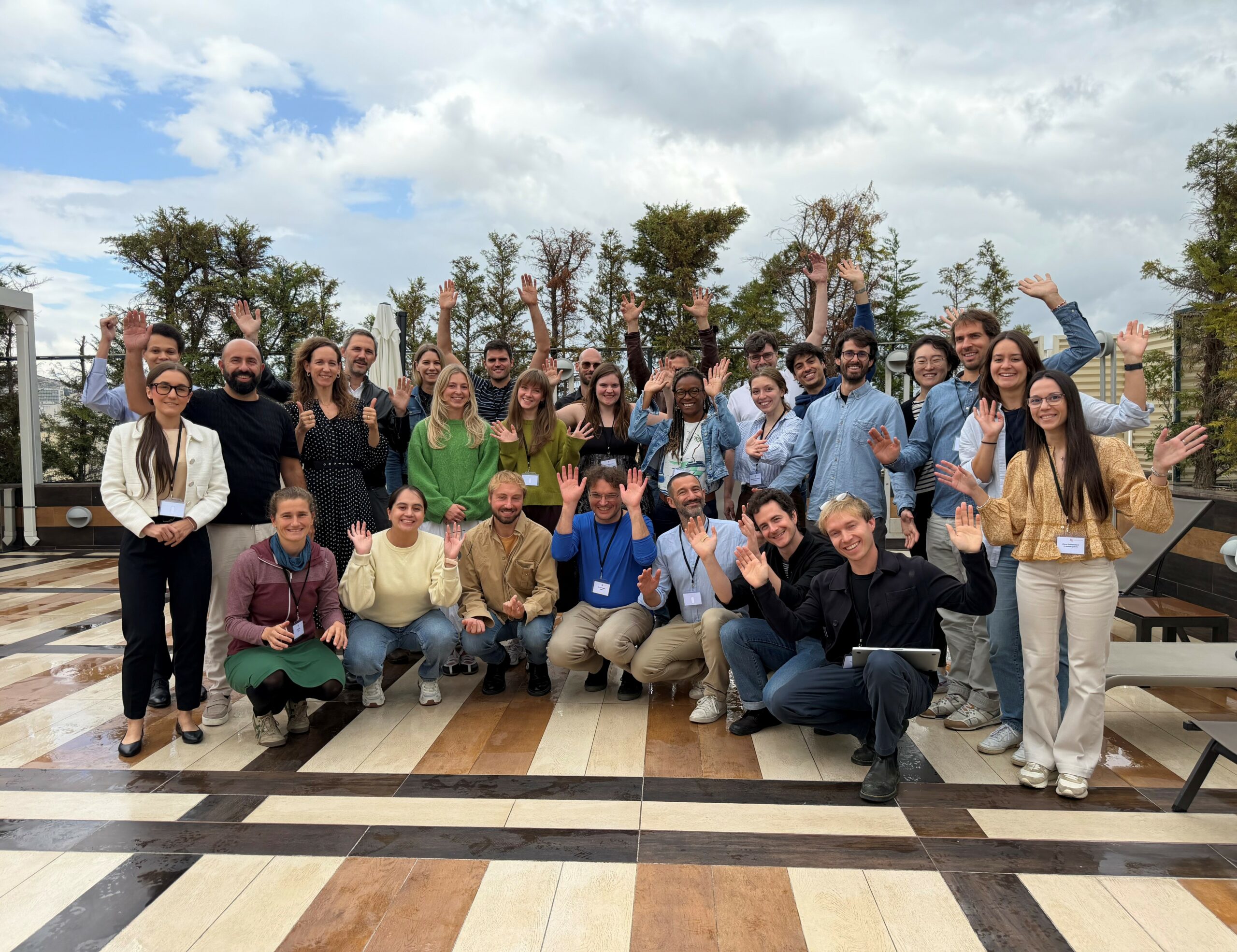
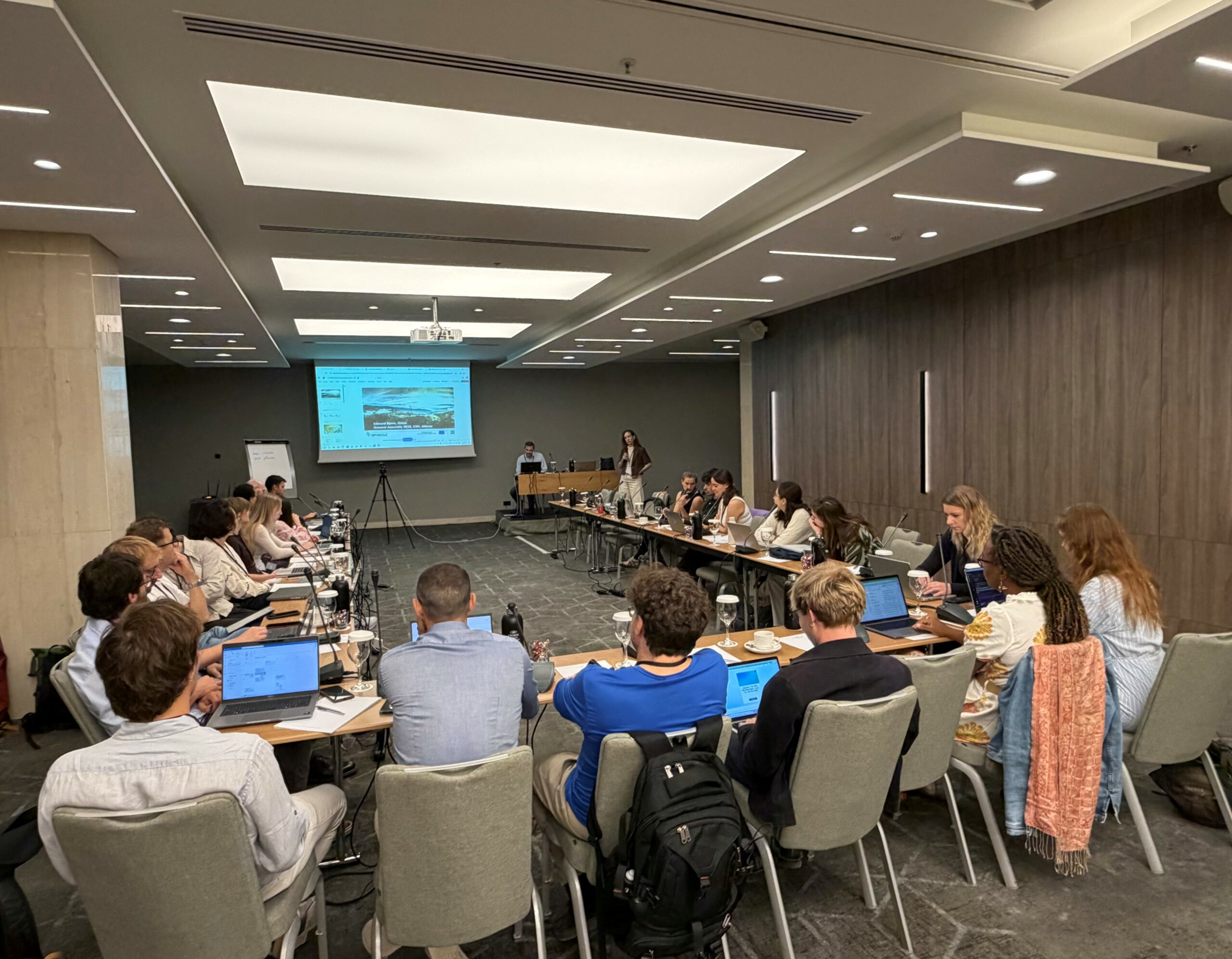
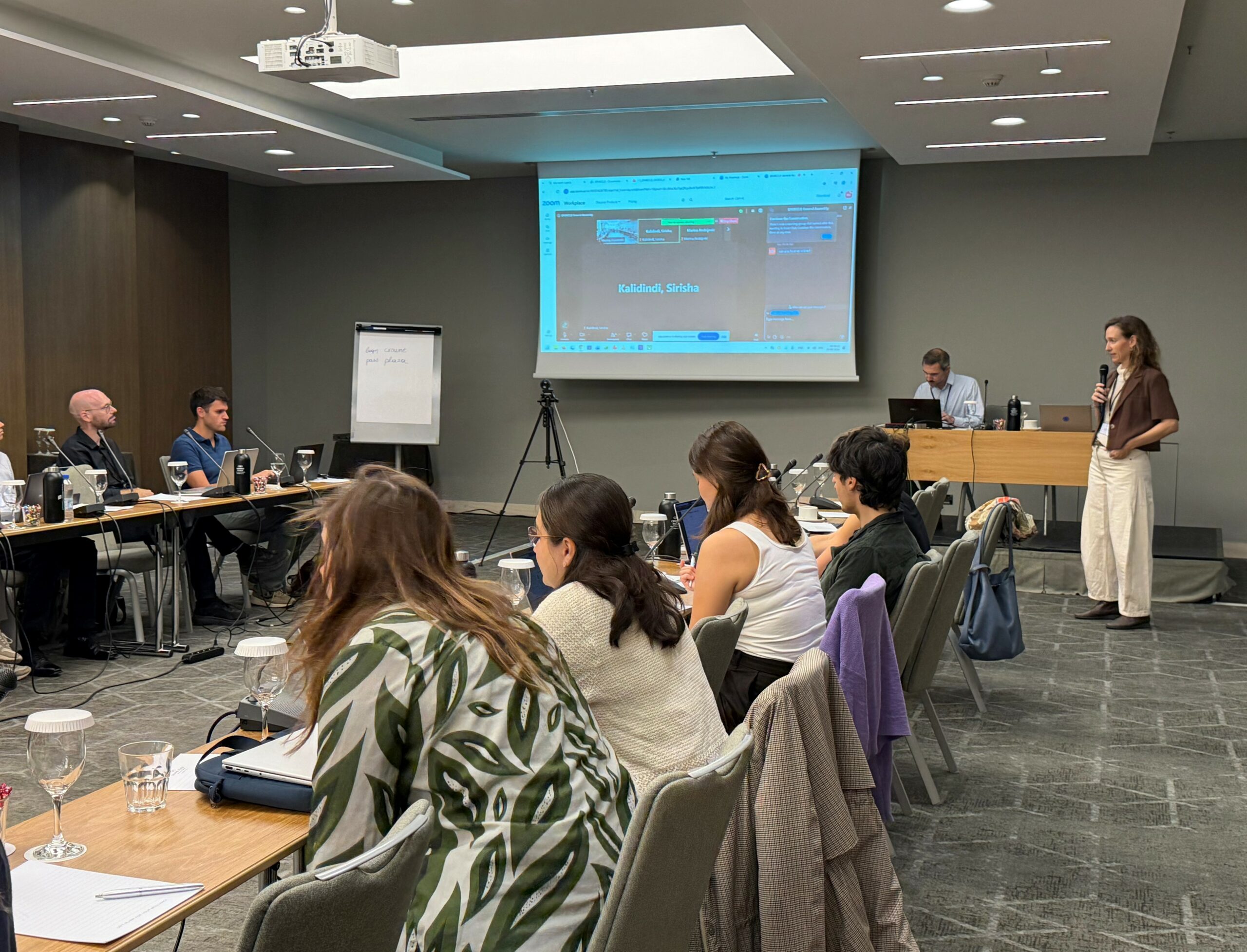
Project partners from across Europe gathered in Athens on 29-30 September 2026 for the in-person General Assembly of the SPARCCLE project. Hosted by the E3-Modelling team of WSP, the two-day meeting provided an important opportunity to take stock of progress, consolidate research findings, and align on the project’s final outputs as it enters its concluding phase.
Day 1: Stress Test Scenarios and Climate Risk Dashboards
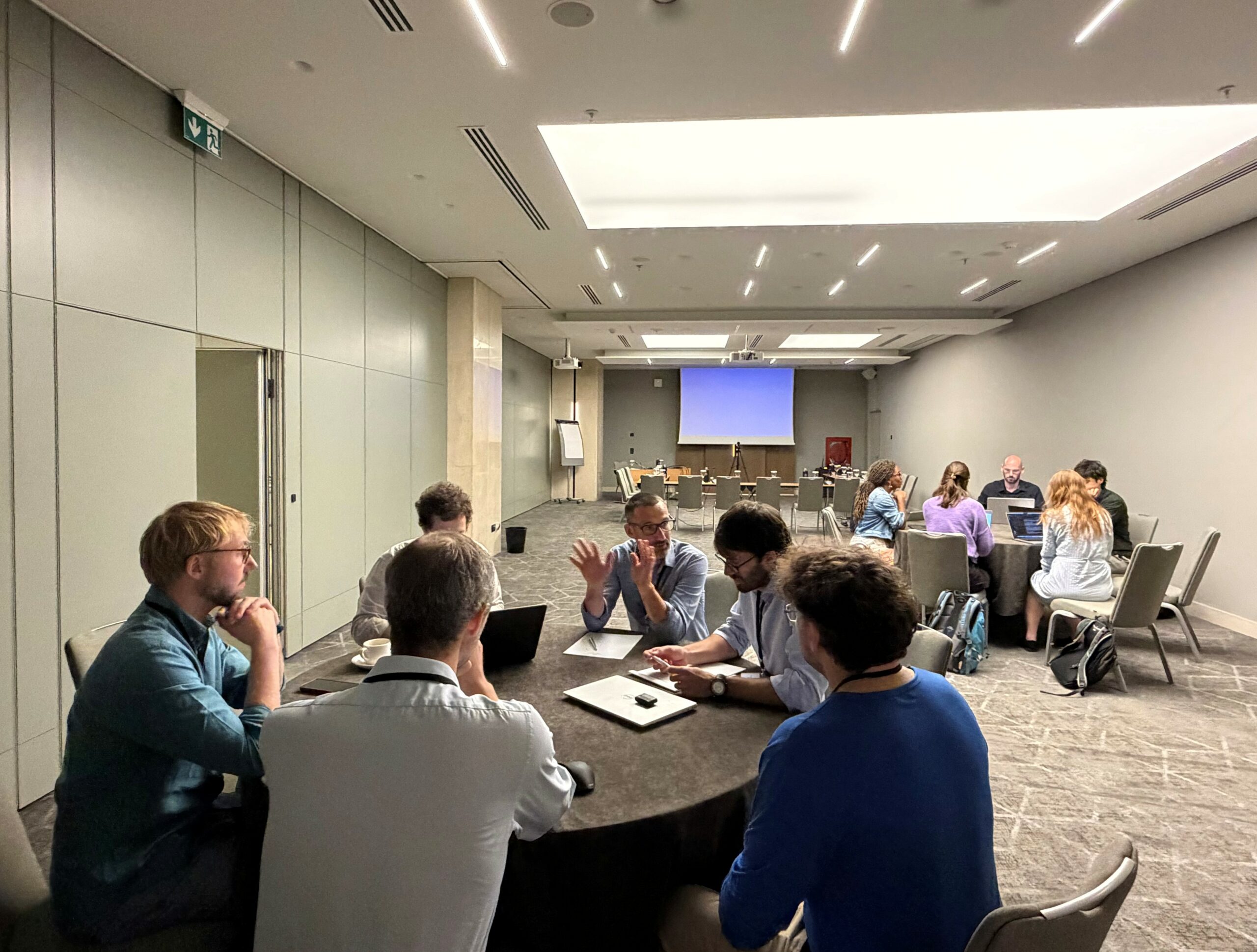
The General Assembly opened on Tuesday, 29 September, with introductory remarks by Zoi Vrontisi (E3M) and Ed Byers (IIASA). The first-day programme combined plenary sessions with interactive parallel breakout groups, allowing partners to review progress and coordinate the next steps towards the project’s final outputs.
Discussions throughout the day focused largely on the advancement of SPARCCLE’s Stress Test Scenarios (STS1, STS2, and STS3) co-developed with policymakers and partners across the public and private sectors. These scenarios enable researchers to assess how European regions and economic sectors may respond to compounding climate risks – such as simultaneous heatwaves, prolonged droughts, and severe flooding – alongside broader global economic pressures. By modelling extreme but plausible combinations of climate hazards and future economic challenges, the consortium is assessing the resilience of European communities, infrastructure, and regional economies in the face of severe crises. These findings will provide decision-makers with practical insights to build climate adaptation and mitigation strategies across the EU.
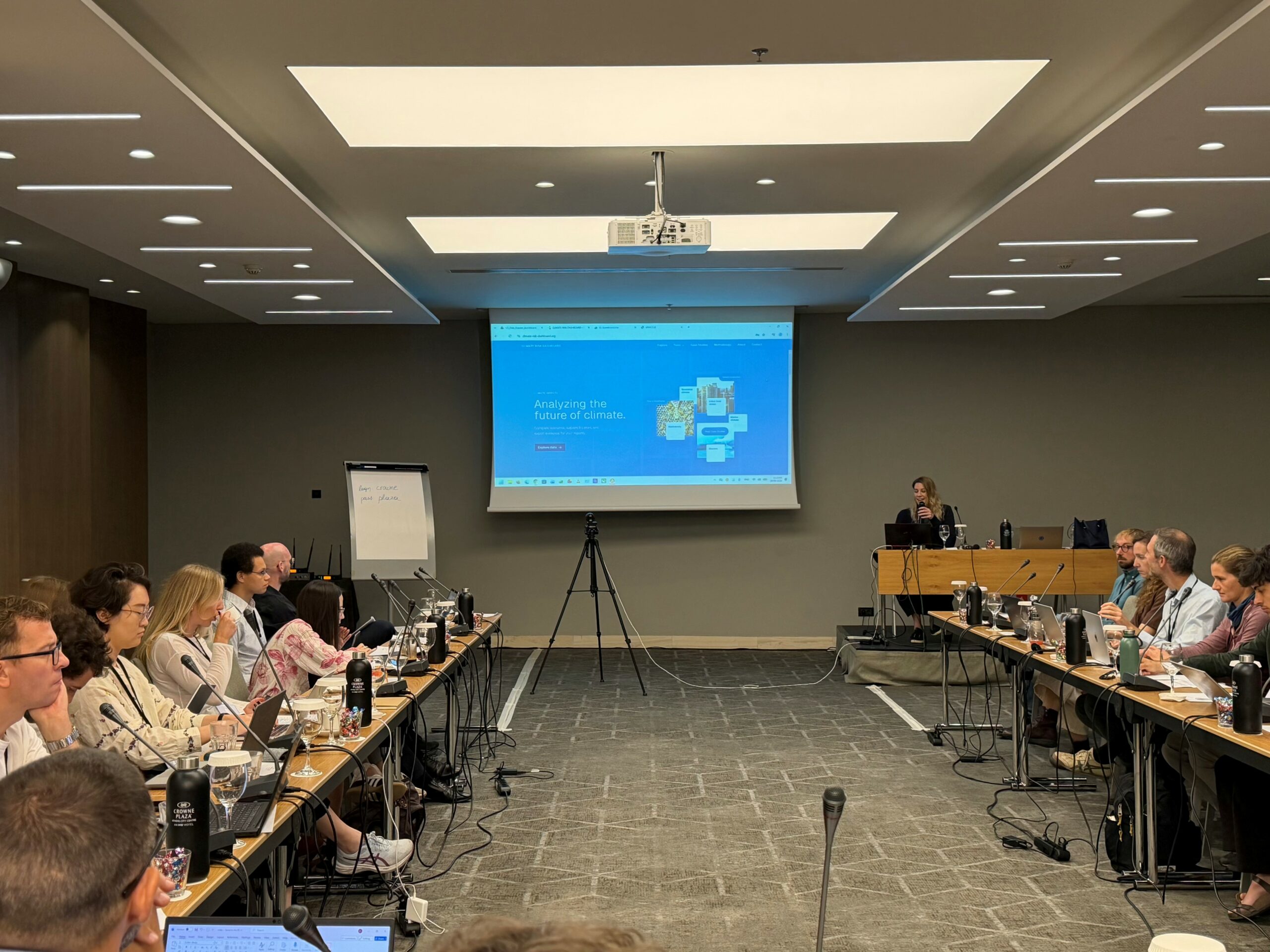
The meeting also featured significant progress on SPARCCLE’s suite of open-access climate risk dashboards, SPARCCLE Explorer and EU Scoreboard, which are designed to translate project findings into accessible, user-friendly insights. SPARCCLE researchers and developers from Radical Insight presented a live demonstration of the latest versions of these digital tools, providing an opportunity for partners to share feedback and suggestions for further improvements. Through the interactive dashboards, users will be able to explore climate hazards, economic impacts, and vulnerability across different regions and ten key thematic areas, including at the local level. The dashboards will be publicly presented as part of the project’s upcoming outreach activities.
Day 2: Communicating Results and Shaping Policy
Wednesday morning set a forward-looking tone with an address by European Commission Project Officer, Dimitrios Sofianopoulos, who commended the consortium for its dedication and strong technical progress to date. Emphasising the high policy relevance of the project’s outputs for broader European climate resilience and adaptation goals, the Project Officer encouraged partners to maintain their momentum and ensure effective dissemination during the project’s concluding phase.
Looking ahead, partners discussed new communication products and dissemination strategies, setting the stage for upcoming outreach milestones, including expert stakeholder workshops and the project’s final event in Brussels in February 2027. The meeting also covered plans for policy dialogue and recommendations to be featured in upcoming policy briefs that will translate technical findings into actionable guidance for decision-makers.
Beyond the dense agenda, the meeting also provided valuable opportunities for informal exchange and networking. Partners enjoyed a walking tour of historic Athens and a consortium dinner at a traditional Greek taverna, adding a social dimension to the two-day gathering.